
When choosing the right material for your driveway, consider factors such as durability, cost, and aesthetic appeal. Asphalt is cost-effective and quick to install, offering a smooth surface that withstands heavy use. Concrete provides a clean, durable finish and can be customized with various textures and colors, though it is more expensive. For a natural look, gravel is affordable and easy to install, but requires regular maintenance to keep the stones in place. Pavers, while more costly, offer versatility and a long-lasting surface with a range of design options.
Installation Timeframes
Installation timeframes are an important consideration, especially if you have time constraints or need quick results. Asphalt driveways can be installed relatively quickly, often within a few days, due to the simplicity of the application process. The surface is typically ready for use within a day or two after installation, depending on weather conditions.
Concrete driveways require a longer installation period due to curing times; it usually takes at least a week for the surface to fully cure and be ready for use. Pavers involve a more detailed installation process that can take several days to a week, depending on the complexity of the design and the size of the area. Gravel is the quickest to install, often completed within a day, but may require additional work for proper leveling and compaction.
Environmental Impact
The environmental impact of driveway materials should be considered to ensure your choice aligns with sustainability goals. Gravel driveways are highly permeable, allowing rainwater to infiltrate the ground, which helps reduce runoff and supports groundwater recharge. This characteristic makes gravel an environmentally friendly option.
Asphalt and concrete, on the other hand, are impermeable, which can contribute to increased runoff and potential drainage issues unless managed with additional measures like permeable paving solutions. Some eco-friendly pavers are designed to promote water infiltration and reduce heat absorption, making them a more sustainable choice. When selecting a material, consider how it will impact local drainage, contribute to stormwater management, and align with eco-friendly practices.
Durability and Longevity
Durability and longevity are essential when selecting a driveway material, as they determine how well the surface withstands wear, weather, and heavy use over time. Asphalt offers a lifespan of 15 to 20 years, concrete can last over 30 years, while gravel and pavers vary, with gravel needing more frequent upkeep.
Asphalt
Asphalt driveways are valued for their resilience and ability to support heavy traffic, making them ideal for frequently used areas. They typically last 15 to 20 years but may need resurfacing to address wear and tear over time. While asphalt offers a smooth, durable surface at a relatively low initial cost, its longevity can be impacted by extreme weather conditions, necessitating periodic maintenance to extend its lifespan and prevent cracking or deformation.
Concrete
Concrete driveways are known for their exceptional durability and long lifespan, often exceeding 30 years with proper maintenance. They withstand extreme weather conditions and heavy loads effectively. However, concrete can be prone to cracking over time due to freeze-thaw cycles and ground movement. To maintain its appearance and structural integrity, regular sealing and prompt repair of any cracks are recommended, which helps in preserving its durability and aesthetic appeal.
Gravel
Gravel driveways are cost-effective and straightforward to install, making them an attractive option for many homeowners. However, they generally have a shorter lifespan compared to asphalt or concrete and can deteriorate more rapidly due to natural erosion and the shifting of stones. Regular maintenance, such as replenishing displaced gravel and addressing erosion, is necessary to keep the driveway functional and visually appealing over time.
Pavers
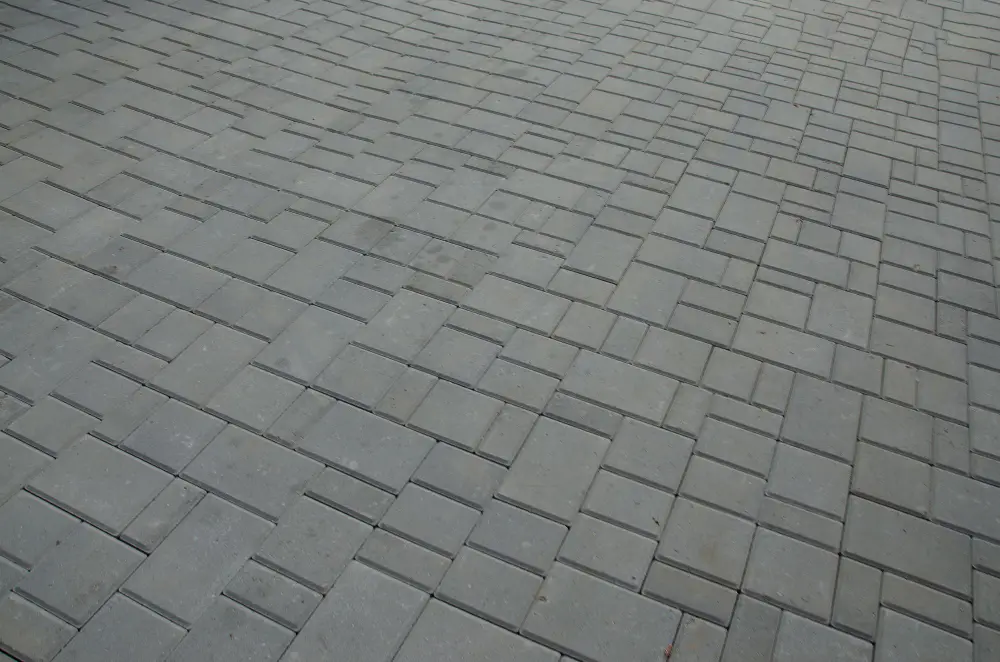
Paver driveways are renowned for their durability and aesthetic versatility, often lasting between 20 to 30 years with proper care. They can be arranged in various patterns and colors, enhancing curb appeal. Though pavers are long-lasting, they may require occasional maintenance to address issues such as shifting or settling of the pavers. Keeping the joints filled with sand and performing periodic inspections can help maintain their functionality and visual appeal.
Overall
When choosing a driveway material, consider the balance between durability, maintenance, and lifespan. Asphalt offers a cost-effective and resilient solution but requires periodic resurfacing. Concrete provides exceptional longevity but can crack and needs regular sealing. Gravel is economical but demands frequent upkeep, while pavers combine durability with design flexibility but may need maintenance to address shifting. Selecting the right material depends on your specific needs and preferences for performance and appearance.
Aesthetic Options
Aesthetic appeal can significantly impact your choice of driveway material, as it contributes to your home’s overall curb appeal. Concrete offers a wide range of customization options, including stamped patterns, colored finishes, and various textures that can mimic natural stone or brick. This versatility allows homeowners to achieve a specific look or match the driveway with the home’s exterior.
Pavers provide even more design flexibility, with options for different shapes, sizes, colors, and patterns, enabling intricate designs and custom layouts. Asphalt, while more limited in aesthetic choices, can be enhanced with sealants for a sleek, polished look. Gravel offers a more rustic and natural appearance but has fewer customization options. Selecting a material that aligns with your style preferences and complements your home is crucial for achieving the desired visual impact.
Weather Resistance
Weather resistance is crucial for ensuring that your driveway material performs well under local climate conditions. Asphalt is relatively resilient but can become soft and prone to deformation in extreme heat or crack in freezing temperatures if not properly maintained. Concrete offers excellent resistance to a range of weather conditions but can be vulnerable to cracking from freeze-thaw cycles, especially if not adequately sealed.
Gravel driveways handle weather changes well but can be affected by heavy rains that cause erosion or displacement of stones. Pavers are highly durable and perform well in various weather conditions, though they may require adjustments if frost heaves or ground shifts occur. Evaluating how each material fares in your specific climate will help ensure longevity and minimize potential weather-related issues.
Customization Opportunities
Customization opportunities can greatly influence the choice of driveway material, allowing you to create a unique and personalized look. Concrete offers a high level of customization with options such as stamping, staining, and coloring, which can replicate natural stone or brick patterns. This flexibility allows homeowners to tailor the driveway to their specific aesthetic preferences. Pavers provide even more design possibilities, including various shapes, sizes, and colors, which can be arranged in intricate patterns and layouts.
While asphalt has fewer customization options, it can be enhanced with sealants for a polished finish. Gravel offers limited customization, primarily in terms of color and size of stones, but can be combined with borders or edging to achieve a tailored appearance. Choosing a material that allows for the desired level of customization can enhance the overall look and functionality of your driveway.
Conclusion
Choosing the right driveway material is essential for balancing durability, cost, and aesthetics. At PaveProTech in London,the expert guidance to help you select the perfect option for your needs, whether it’s the resilience of asphalt, the long-lasting appeal of concrete, the cost-effectiveness of gravel, or the customizable elegance of pavers. Understanding each material’s strengths and maintenance requirements can ensure a driveway that meets your functional and visual expectations. For personalized advice and professional installation, contact 03333407493 and let us help you create the ideal driveway solution.