
When cleaning a driveway, avoid using harsh chemicals that can damage the surface and harm the environment. Don’t use high-pressure washers incorrectly, as they can erode concrete or asphalt. Skipping regular maintenance can lead to stubborn stains and deterioration. Using metal shovels or tools can cause scratches, so opt for plastic alternatives. Finally, neglecting to clear debris before cleaning can result in an uneven finish and missed spots, reducing the effectiveness of the cleaning effort.
Avoid Harsh Chemicals
Harsh chemicals can not only damage the surface of your driveway but also pose significant risks to the environment. Commonly used cleaning agents like bleach or acid-based solutions might provide quick results but can lead to long-term deterioration of concrete or asphalt, causing them to weaken and crack. Furthermore, runoff from these chemicals can seep into the soil, contaminating groundwater and harming nearby plants and wildlife.
Instead, opt for eco-friendly cleaning products that are designed to be both effective and safe. These alternatives are biodegradable and less likely to cause harm to your driveway or the environment. Using gentle yet effective cleaners will ensure that your driveway remains in good condition while minimizing your ecological footprint.
Proper Use of High-Pressure Washers
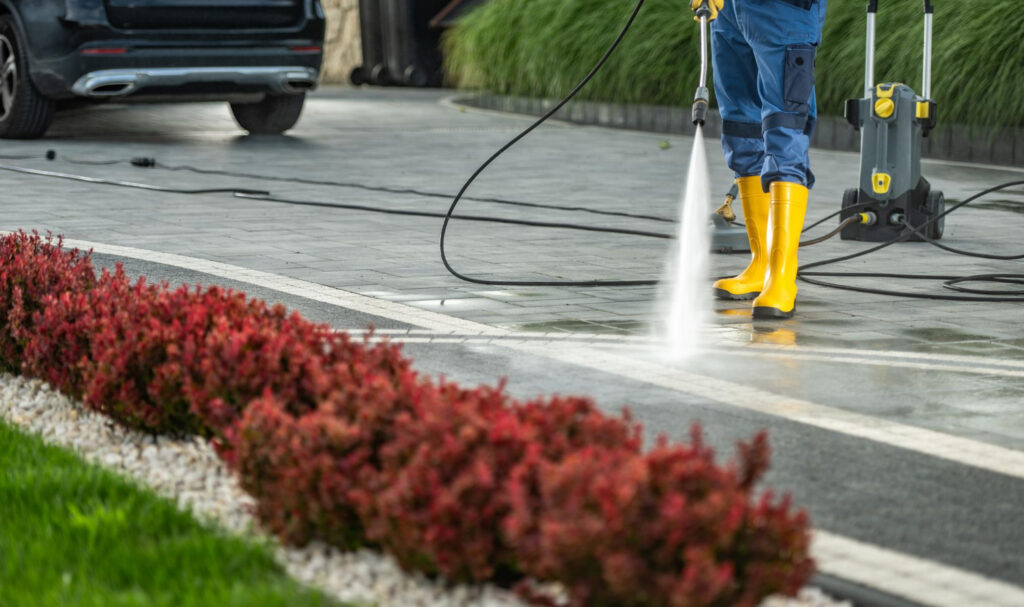
High-pressure washers are powerful tools that can make cleaning driveways much more efficient, but they must be used correctly to avoid damage. Using a washer with too high a pressure setting can erode concrete, remove the top layer of asphalt, and even cause cracks to develop. To avoid this, familiarize yourself with the appropriate pressure settings for your driveway material. For concrete, a pressure setting of 3000 PSI is generally safe, while asphalt requires a lower pressure of about 1500 PSI. Always start with the lowest pressure setting and gradually increase if necessary.
- Use Appropriate Pressure Settings: Concrete can typically handle up to 3000 PSI, while asphalt requires a gentler approach at around 1500 PSI to prevent erosion and surface damage.
- Start Low and Adjust: Begin with the lowest pressure setting and gradually increase to the desired level, ensuring you don’t start too strong and risk damaging the driveway surface.
- Select the Right Nozzle: Utilize a wide spray nozzle to evenly distribute the water pressure, preventing concentrated streams that can erode or damage the surface of your driveway.
- Learn Proper Techniques: Familiarize yourself with the correct use of a pressure washer, including maintaining consistent movement and a safe distance to avoid causing surface damage.
- Monitor for Damage: Continuously inspect the driveway for any signs of erosion, cracking, or other damage during the cleaning process, allowing for immediate adjustments if needed.
Importance of Regular Maintenance
Regular maintenance of your driveway is essential for preventing stubborn stains and deterioration. Over time, driveways are subjected to various elements such as oil spills, tire marks, dirt, and weather conditions, all of which can contribute to their degradation. By establishing a consistent cleaning schedule, you can address these issues before they become severe.
Monthly sweeping and bi-annual deep cleaning can keep your driveway looking fresh and extend its lifespan. Regular maintenance also involves inspecting the surface for cracks or other damage and addressing these issues promptly. Ignoring routine upkeep can lead to more extensive and costly repairs down the line, making regular maintenance both a time-saving and cost-effective practice.
Clearing Debris First
Clearing debris from your driveway before cleaning is a crucial step that should not be overlooked. Leaves, dirt, sticks, and other debris can create obstacles that prevent you from achieving an even clean. If these materials are left in place, they can also contribute to staining and harbor moisture, leading to mold and mildew growth.
Before you begin any cleaning process, use a broom or a leaf blower to remove all loose debris. This initial step ensures that when you wash the driveway, the cleaning agents can penetrate the surface more effectively, and the water can rinse away all contaminants evenly. Skipping this step can result in missed spots and an uneven finish, making your efforts less effective and potentially causing more harm than good.
Preventing Surface Erosion
Preventing surface erosion during driveway cleaning is essential to maintain its structural integrity. Erosion can occur when high-pressure water jets or abrasive cleaning methods wear away the surface material, leaving it rough and more susceptible to further damage. This is especially a concern for older driveways or those made from softer materials like asphalt. To prevent erosion, use lower pressure settings on pressure washers and opt for gentler cleaning solutions.
Use Lower Pressure Settings
To prevent high-pressure water jets from wearing away the surface material and causing erosion, always opt for lower pressure settings on your washer. This is particularly important for older driveways or those made from softer materials like asphalt. Lower pressure helps maintain the integrity of the driveway by minimizing the risk of surface erosion.
Choose Gentler Cleaning Solutions
Select milder cleaning agents that are less abrasive to avoid damaging the driveway surface. Harsh chemicals can quickly wear down the material, making it more susceptible to erosion and further damage. Gentler solutions clean effectively without compromising the structural integrity of the driveway, which is crucial for preserving older or softer surfaces.
Apply a Sealant Post-Cleaning
After cleaning your driveway, apply a sealant to create a protective barrier against water and debris. This additional layer helps prevent surface erosion by blocking the elements that contribute to wear and tear. Sealants extend the lifespan of your driveway by maintaining its appearance and structural integrity over time.
Regular Maintenance
Conduct routine maintenance, such as sweeping away debris and performing minor repairs, to keep the driveway in good condition. Regular upkeep prevents the accumulation of dirt and grime, which can lead to erosion. Maintenance also allows you to spot and address issues early, reducing the likelihood of significant damage.
Address Issues Promptly
Quickly address any minor cracks or damages to prevent them from escalating and contributing to further surface erosion. Prompt repairs stop small problems from becoming larger, more costly issues. By maintaining the driveway and fixing minor issues immediately, you preserve its structural integrity and prevent the development of extensive erosion.
Protecting the Environment
Protecting the environment while cleaning your driveway involves making conscientious choices about the products and methods you use. Traditional cleaning agents often contain harmful chemicals that can leach into the soil and water systems, posing risks to local ecosystems and wildlife. Switching to biodegradable and non-toxic cleaners can mitigate these risks.
Additionally, consider using methods that reduce water usage, such as sweeping away debris regularly to minimize the need for frequent washing. When you do need to wash your driveway, use water-efficient tools like adjustable spray nozzles to control water flow and avoid excessive runoff. These practices not only safeguard the environment but also align with sustainable living principles, ensuring that your cleaning routine is eco-friendly and responsible.
Conclusion
Cleaning your driveway effectively requires careful attention to avoid common mistakes that can lead to damage. By using the correct pressure settings, opting for gentler cleaning solutions, applying sealant, and performing regular maintenance, you can prevent surface erosion and prolong the life of your driveway. At PaveProTech in London, UK, specialize in helping you maintain your driveway’s integrity and appearance. For expert advice and professional cleaning services, contact 03333407493. Ensure your driveway stays pristine with the right care and attention.